How to Reintroduce Cats After a Fight, Without Making It Worse
It happens in about four seconds. Screaming, fur in the air, one cat under the bed and…

Training problems usually have less to do with stubbornness than with what the dog has actually learned, and the research on this is more useful than the folklore. Why a dog ignores you outdoors but not indoors, why adolescence undoes things that seemed solid, why a dog only responds when he can see food: each has a documented explanation and a practical fix. These guides cover behaviour and training for dogs and cats, built from peer-reviewed studies and the guidance of recognised welfare organisations, with the reasoning shown so you can judge it.
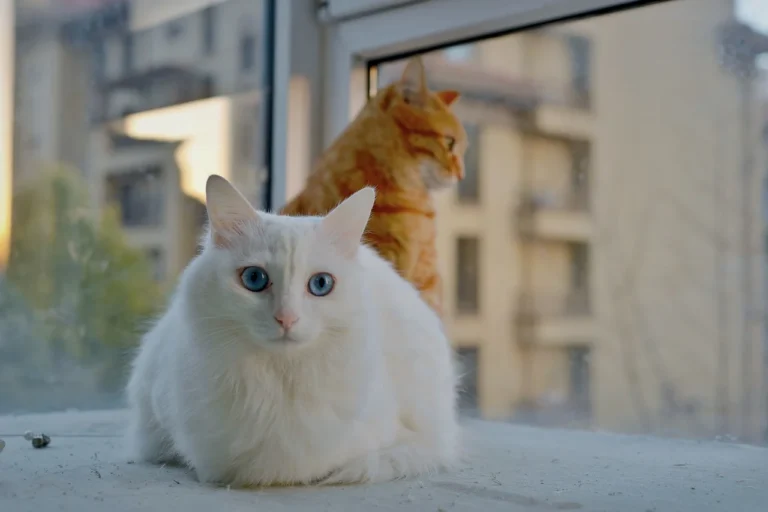
It happens in about four seconds. Screaming, fur in the air, one cat under the bed and…
Ten to five. Not six, not half past four. Ten to five, near enough every morning, and…
Everybody arrives at this question the same way. The new cat has been shut in the spare…
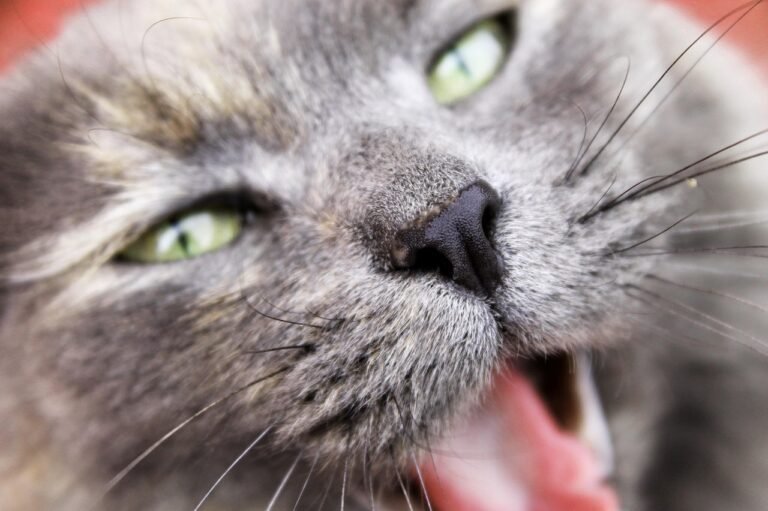
Cats recognise each other largely by scent, so a cat back from the clinic can smell like an intruder. Why it happens, how long it lasts, and how to fix it.

Most adolescent dog problems peak around twelve months and fall away by eighteen. Three do not. Here is how to tell which kind you are looking at.

A treat shown before the behaviour is a bribe. One that appears after is a wage. Why the food became part of the cue, and the two-week fix.
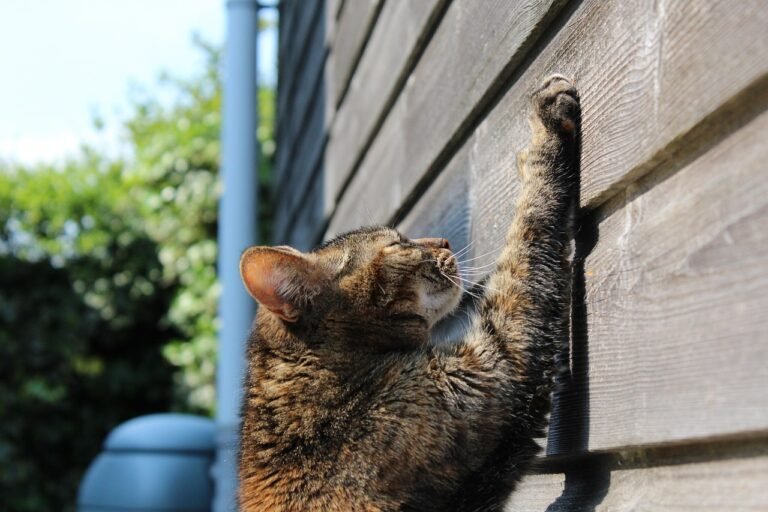
Your cat ignores the £40 scratching post and works the sofa arm every morning. The fix isn’t discipline — it’s matching the four things the sofa already gets right: height, rigidity, texture and location.
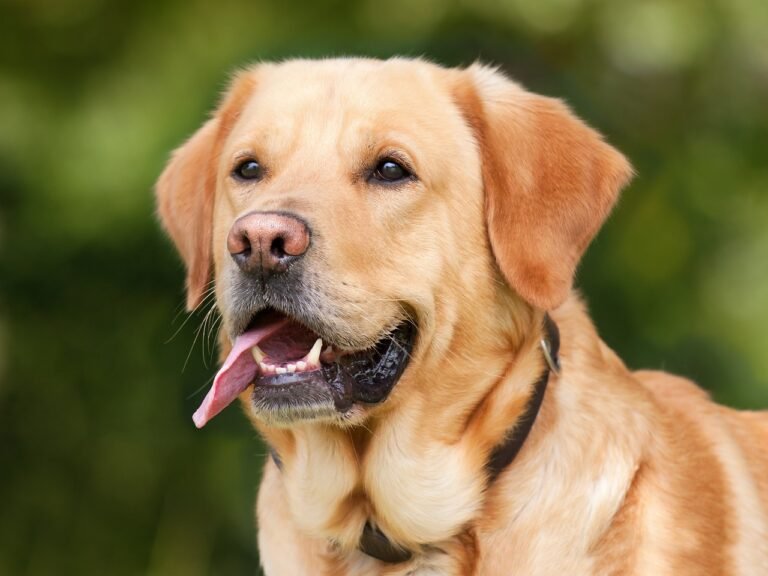
A dog who is faultless in the kitchen and deaf in the park isn’t being defiant. Research on how dogs generalise — and one striking finding about adolescence — explains what’s really happening, and what fixes it.
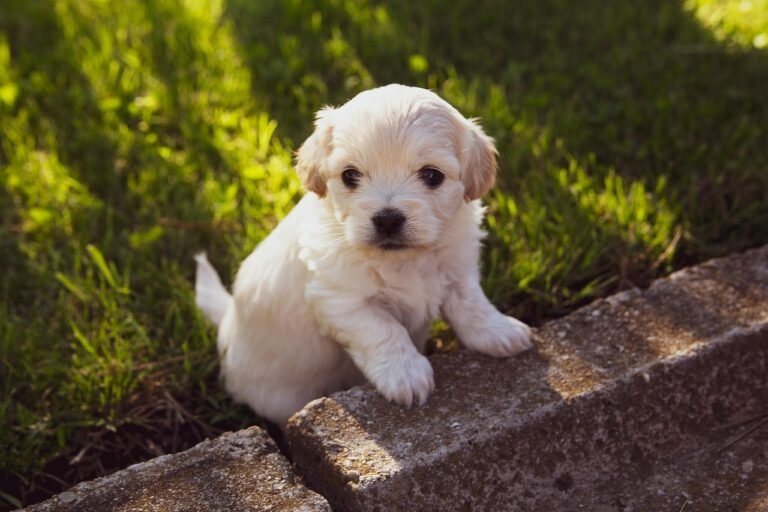
The garden is a playground to a puppy, not a toilet. Why you have to go out with him, why rewarding at the back door teaches nothing, and the lesson you didn’t mean to teach.
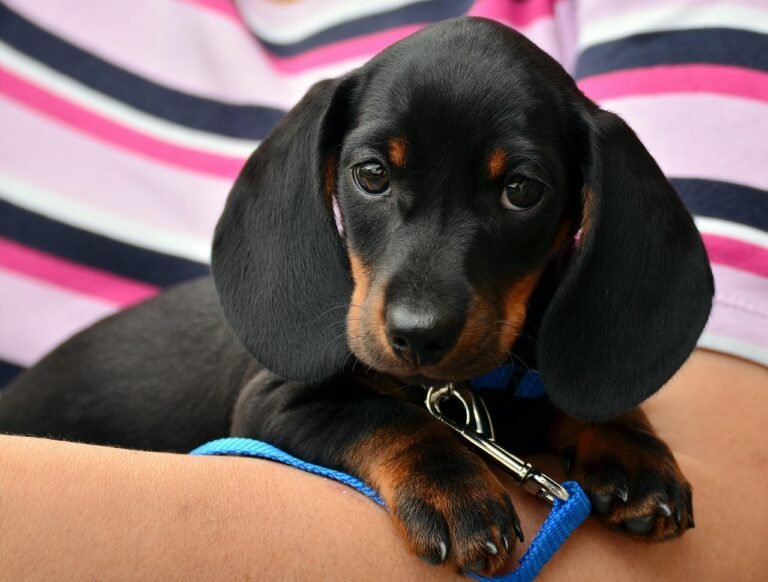
Lead biting is a tug game, not aggression — and pulling back is what keeps it going. The three reasons dogs do it, and the fix that works in about a fortnight.