Your Puppy Plants Himself on the Pavement and Won’t Move. Here’s Why
A dog who freezes on the lead isn’t being stubborn — it’s fear, pain, confusion, or a habit you’ve accidentally paid for. Why pulling makes all four worse, and what works instead.

Training problems usually have less to do with stubbornness than with what the dog has actually learned, and the research on this is more useful than the folklore. Why a dog ignores you outdoors but not indoors, why adolescence undoes things that seemed solid, why a dog only responds when he can see food: each has a documented explanation and a practical fix. These guides cover behaviour and training for dogs and cats, built from peer-reviewed studies and the guidance of recognised welfare organisations, with the reasoning shown so you can judge it.
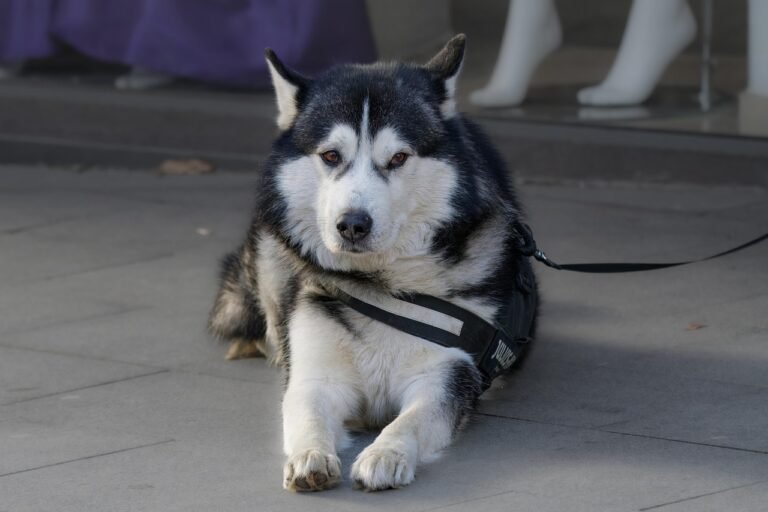
A dog who freezes on the lead isn’t being stubborn — it’s fear, pain, confusion, or a habit you’ve accidentally paid for. Why pulling makes all four worse, and what works instead.
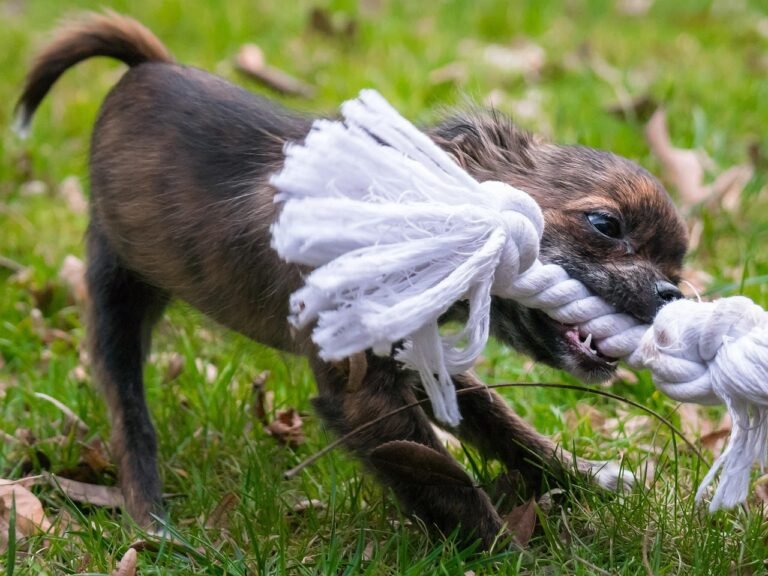
Evening puppy mayhem is overtiredness, not excess energy — which is why more exercise makes it worse. The nap that prevents it, and what actually works once it starts.

Sudden, room-specific fear in a dog usually has a boring explanation. Why to rule out pain and sensory loss first, the household noises your dog hears and you don’t, and what to actually do about it.

A day-by-day guide to the first week with a new dog: what’s normal, the signs that mean call the vet, what the 3-3-3 timeline really means, and the five decisions that matter most.