Your Dog Barks at Nothing and Stares at the Wall. His Age Tells You Why
Dogs hear up to 45,000 Hz, so a young dog barking at nothing is usually hearing something real. In an older dog, staring at walls is a sign worth checking.

Most dog advice is written either too vaguely to act on or for someone who already knows the jargon. These guides are for the moment you are standing in the kitchen wondering whether what your dog just did is normal. Each one starts from a real question owners ask, goes to the veterinary research rather than to other blogs, and ends with something you can do today. Where the evidence is thin we say so, and where the honest answer is to phone your vet, that comes first rather than last.

Dogs hear up to 45,000 Hz, so a young dog barking at nothing is usually hearing something real. In an older dog, staring at walls is a sign worth checking.

Most adolescent dog problems peak around twelve months and fall away by eighteen. Three do not. Here is how to tell which kind you are looking at.

A treat shown before the behaviour is a bribe. One that appears after is a wage. Why the food became part of the cue, and the two-week fix.

A dog who is faultless in the kitchen and deaf in the park isn’t being defiant. Research on how dogs generalise — and one striking finding about adolescence — explains what’s really happening, and what fixes it.

The garden is a playground to a puppy, not a toilet. Why you have to go out with him, why rewarding at the back door teaches nothing, and the lesson you didn’t mean to teach.

Lead biting is a tug game, not aggression — and pulling back is what keeps it going. The three reasons dogs do it, and the fix that works in about a fortnight.

A dog who freezes on the lead isn’t being stubborn — it’s fear, pain, confusion, or a habit you’ve accidentally paid for. Why pulling makes all four worse, and what works instead.

Evening puppy mayhem is overtiredness, not excess energy — which is why more exercise makes it worse. The nap that prevents it, and what actually works once it starts.
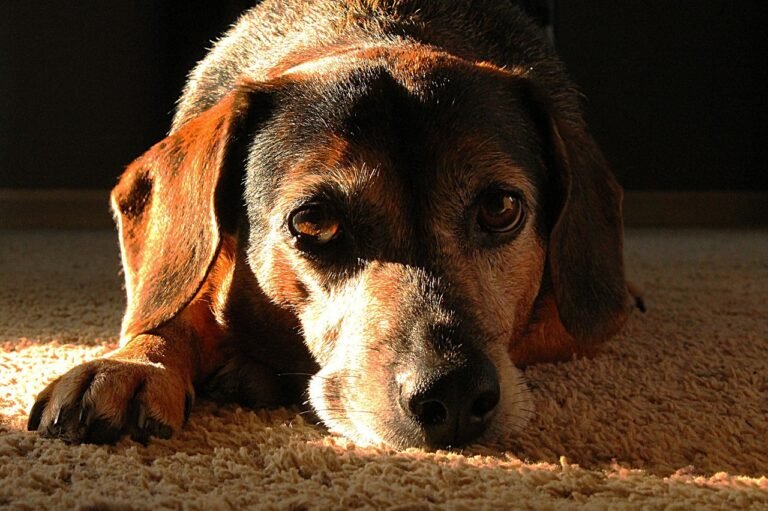
Refusing to jump on furniture is a listed early sign of arthritis, not laziness. Why it starts younger than owners think, and when it’s a spinal emergency instead.
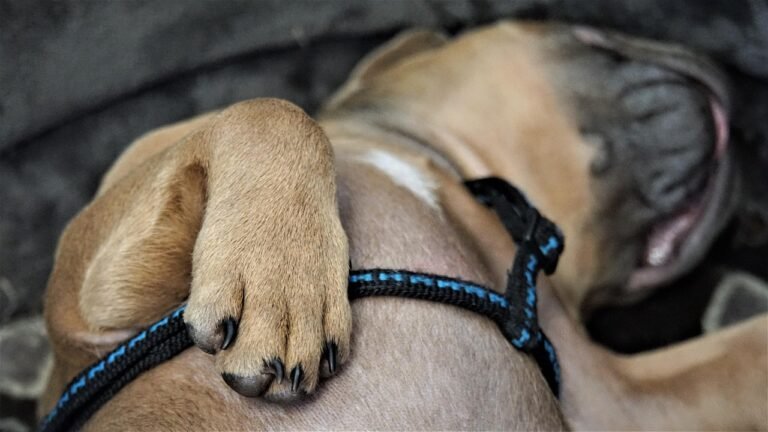
Paw licking is itch until proven otherwise. Why it peaks at night, why a normal-looking paw doesn’t rule out allergy, and when one paw means a grass seed.