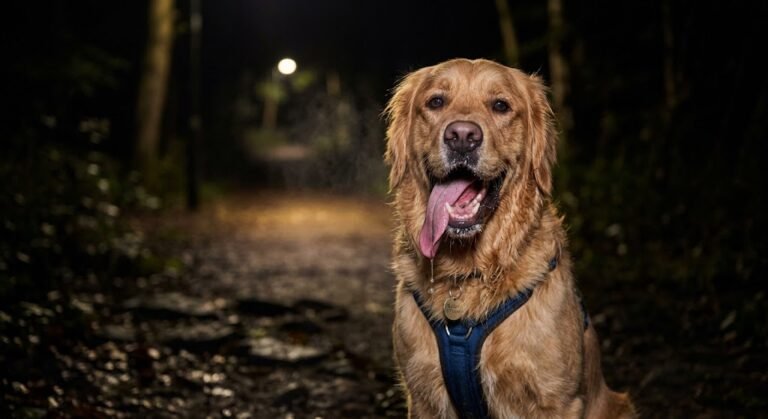
Halfway down the road, your dog stops. The lead goes tight, the paws go flat, and no amount of encouragement moves them. Sometimes they lie down on the pavement. It can feel like stubbornness, but behaviour professionals say it rarely is. A dog that suddenly refuses to walk is usually hurting, scared, uncomfortable, or telling you something about the walk.
Why dogs stop and refuse to walk
Pain
Paddock Park Animal Care Center’s veterinarians list long-term joint pain, such as arthritis or hip dysplasia, as a common reason, and suggest watching for your dog favouring one leg when stopped. They also mention paw injuries, such as a hurt pad or nail. Certified behaviour consultant Ren Volpe adds that dogs often hide pain.
Fear
Something on the route may have frightened your dog, such as a noise, another dog, or even a bin. The Paddock Park vets list held-back ears and a tucked tail as signs. Volpe explains that a dog may stop to check whether the environment is safe, sometimes after one scare and sometimes after a build-up of smaller stresses. If your dog has also become nervous about going out at night, read our guide to a dog that is scared to go outside at night.
Heat, cold and equipment
Both sources mention weather: it may simply be too hot or too cold. Volpe also lists an ill-fitting harness and a short or tight lead, which can make a dog feel restricted.
Tiredness
The Paddock Park vets list fatigue and walks that are too long for the dog.
Not wanting to go home
Volpe notes that some dogs stop because they do not want the walk to end. If your dog stops only on the way home, this may be the reason.
What to do in the moment
- Do not drag or yell. The Paddock Park vets warn that bribing or dragging a dog can encourage or worsen the behaviour, and advise against yelling or punishment. Volpe also warns against dragging or forcing and against prong, choke or shock collars.
- Check for injury. If you think your dog is hurt, the Paddock Park vets advise stopping the walk, checking paws and legs, taking photos, and calling your vet. If you can, have someone collect you both so the injury is not made worse.
- Look for the trigger. Is there a dog, noise or object ahead? Give your dog more distance from it.
- Loosen the lead. Give your dog a little slack and a moment to look around.
- Turn around if needed. Walking a different way is often easier than pushing past something scary.
Longer term plan
- Get a vet check. Especially if the stopping is new, getting worse, or comes with limping or stiffness.
- Check the equipment. Make sure the harness fits well. Volpe suggests a six-foot lead for neighbourhood walks and a 10 to 15 foot long line for parks or trails, and advises against retractable leads.
- Work on fears gradually. The Paddock Park vets advise identifying the trigger and gradually desensitising your dog to it, rewarding calm behaviour.
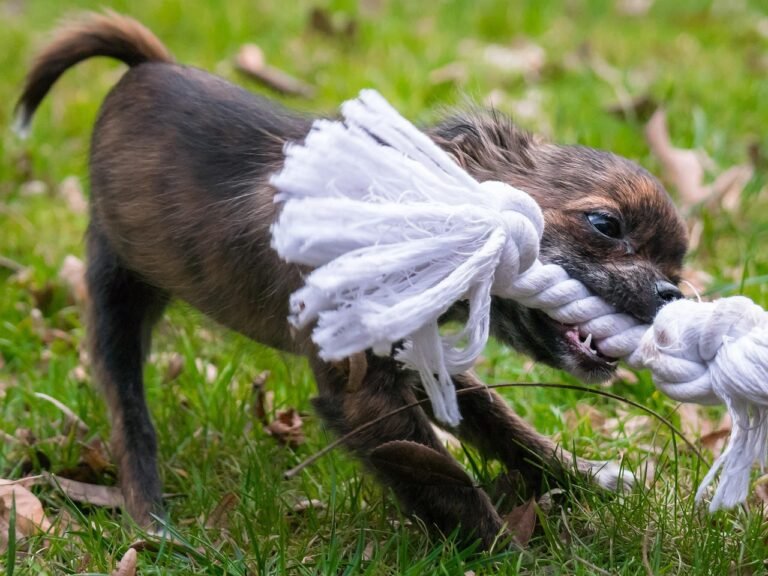
- Use play. Volpe suggests games such as tug or “Find it” to build forward movement.
- Make the end of the walk good too. Volpe suggests making the end of the walk rewarding, for example by feeding after the walk.
- Shorten walks if needed. The Paddock Park vets list walks that are too long as a cause of stopping.
If your dog is a puppy who has never walked well on a lead, our guide to a puppy that will not walk on the lead covers lead training from the start. For dogs reluctant to come back in at the end of a walk, see a dog that will not come inside.
When to see the vet
FAQ
Why does my dog suddenly stop and refuse to walk?
Common reasons are pain, fear, heat or cold, an uncomfortable harness or lead, tiredness, or not wanting the walk to end. New refusal needs a vet check first.
Should I drag my dog when it refuses to walk?
No. Dragging or forcing can make the problem worse and can injure a dog that is already in pain.
Why does my dog lie down on walks?
It can be tiredness, heat, pain, fear or not wanting to go home. Check for injury and watch for a pattern.
Can I use treats to get my dog walking?
Use them carefully. A behaviour consultant warns that luring a scared dog past a trigger can backfire. Reward calm looks from a safe distance instead.
When should I worry?
When it is new, getting worse, or comes with limping, stiffness, crying or signs of fear. See your vet.
Sources
This article is for general information and is not a substitute for advice from your veterinarian.