Your Dog Barks at Nothing and Stares at the Wall. His Age Tells You Why
Dogs hear up to 45,000 Hz, so a young dog barking at nothing is usually hearing something real. In an older dog, staring at walls is a sign worth checking.

Pets are good at hiding illness, which is why so much of spotting it comes down to noticing small changes in behaviour rather than obvious symptoms. Reduced jumping, a new sleeping spot, drinking more, breathing faster at rest: these are the things that show up before anything looks wrong. These guides cover what the research says about those early signals, how to tell the ordinary from the concerning, and what to ask for at the appointment. None of it replaces a vet, and we are clear about where the information stops.

Dogs hear up to 45,000 Hz, so a young dog barking at nothing is usually hearing something real. In an older dog, staring at walls is a sign worth checking.

Night yowling in an older cat is a recognised clinical sign, not a quirk. Half of cats over 15 have cognitive dysfunction, but four treatable causes come first.
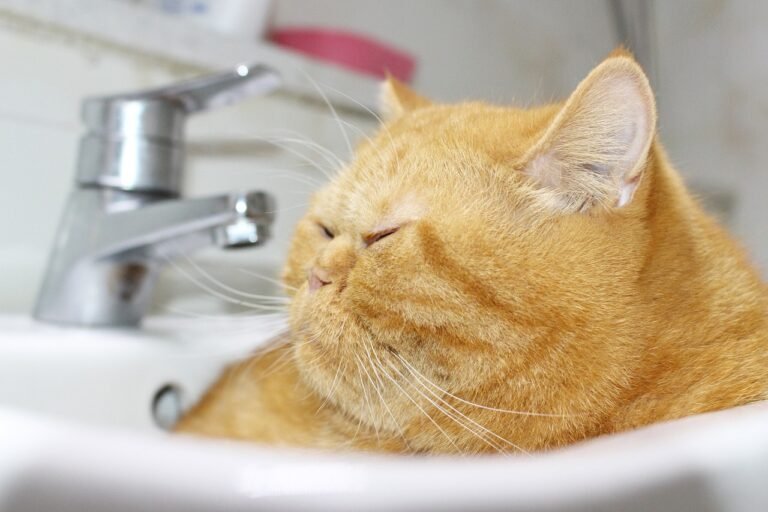
Cats are built to seek heat, so cold enamel is a deliberate choice. What her posture tells you, why a stressed cat looks identical to an ill one, and when it needs a vet.
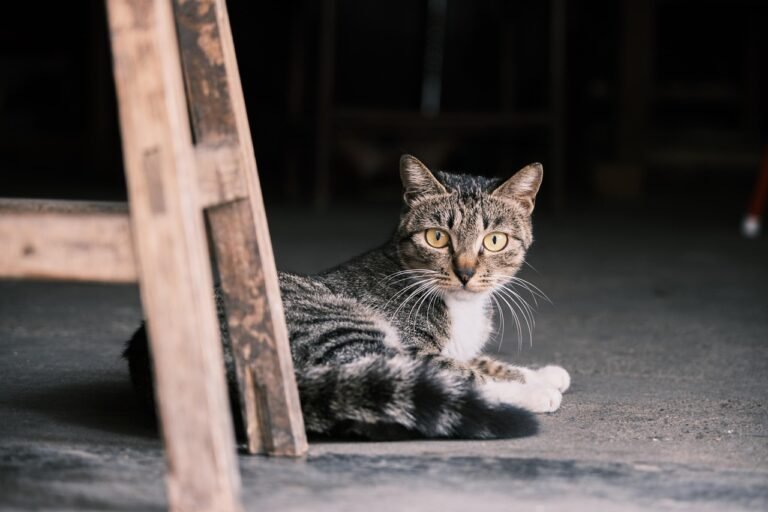
Cats don’t limp, they edit. Reduced jumping is on a validated checklist for feline joint pain — and simply knowing what to look for doubles how often owners catch it.
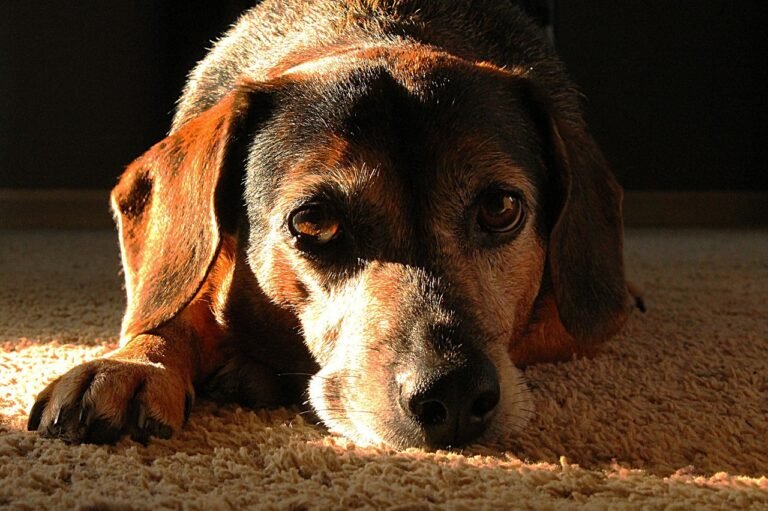
Refusing to jump on furniture is a listed early sign of arthritis, not laziness. Why it starts younger than owners think, and when it’s a spinal emergency instead.

Paw licking is itch until proven otherwise. Why it peaks at night, why a normal-looking paw doesn’t rule out allergy, and when one paw means a grass seed.
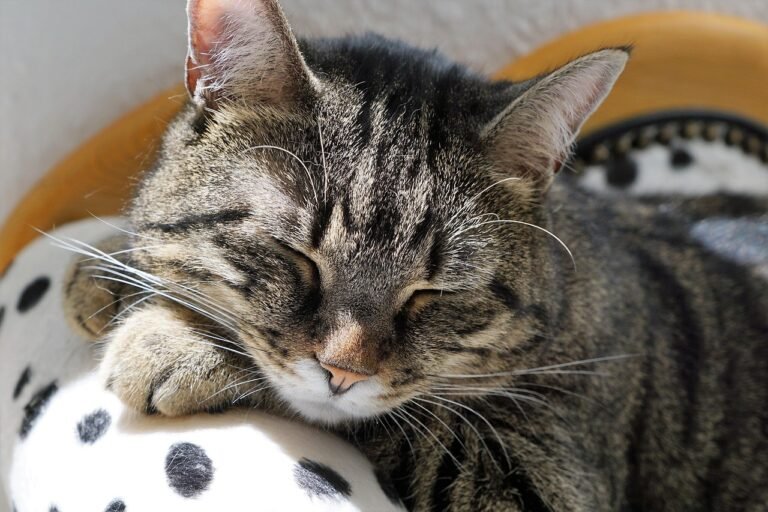
A sleeping cat should breathe 15–30 times a minute. How to count it properly (not while she’s purring), why a rising rate is the earliest warning of feline heart disease, and the signs that mean go now.
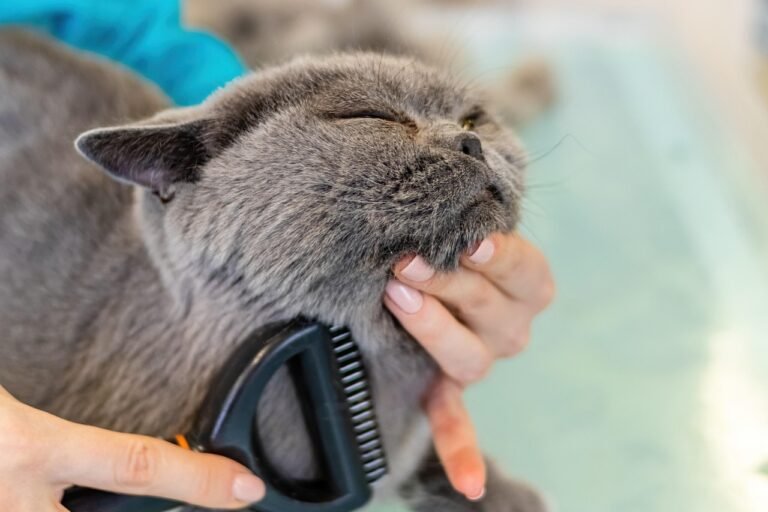
Cornell puts one hairball every week or two in the not-unusual bracket. Beyond that, a hairball is just chronic vomiting with hair in it — and the cause is usually over-grooming or the gut, not the coat.
A cat who goes to the water bowl and then doesn’t drink isn’t usually being fussy. Nausea, kidney disease and mouth pain all leave thirst intact — plus the emergency you can’t wait on.

Dog panting at night with no clear cause? Here are the 7 most common reasons vets look for, the emergency red flags, and the 30-second breathing test to do at home.