Your Cat Hisses at the Other One After the Vet. To Her, It Is a Stranger
Cats recognise each other largely by scent, so a cat back from the clinic can smell like an intruder. Why it happens, how long it lasts, and how to fix it.

Cats are difficult to read because they are built to hide what is wrong. A cat who stops jumping, changes where she sleeps, or starts calling at night is usually telling you something specific, and the research on what those signals mean is better than most owners realise. These guides work through the behaviour you can actually see, what the veterinary literature says sits behind it, and where the line falls between a quirk worth ignoring and a change worth a vet appointment. Every article is built from published research and cited so you can check it.
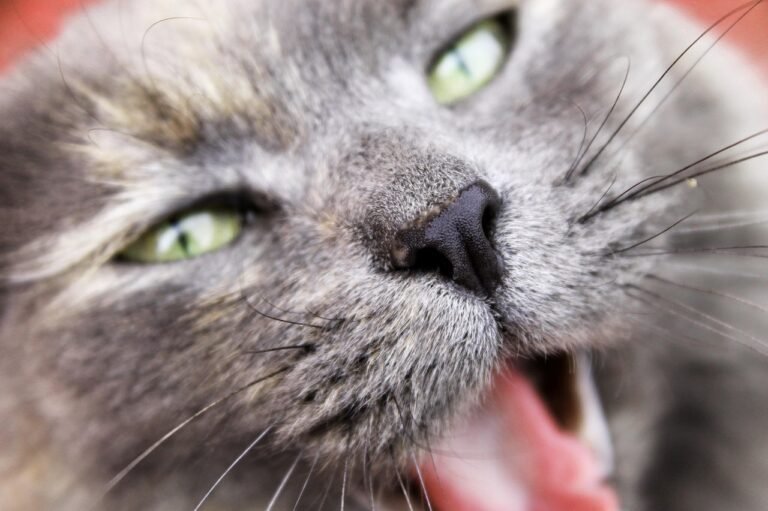
Cats recognise each other largely by scent, so a cat back from the clinic can smell like an intruder. Why it happens, how long it lasts, and how to fix it.
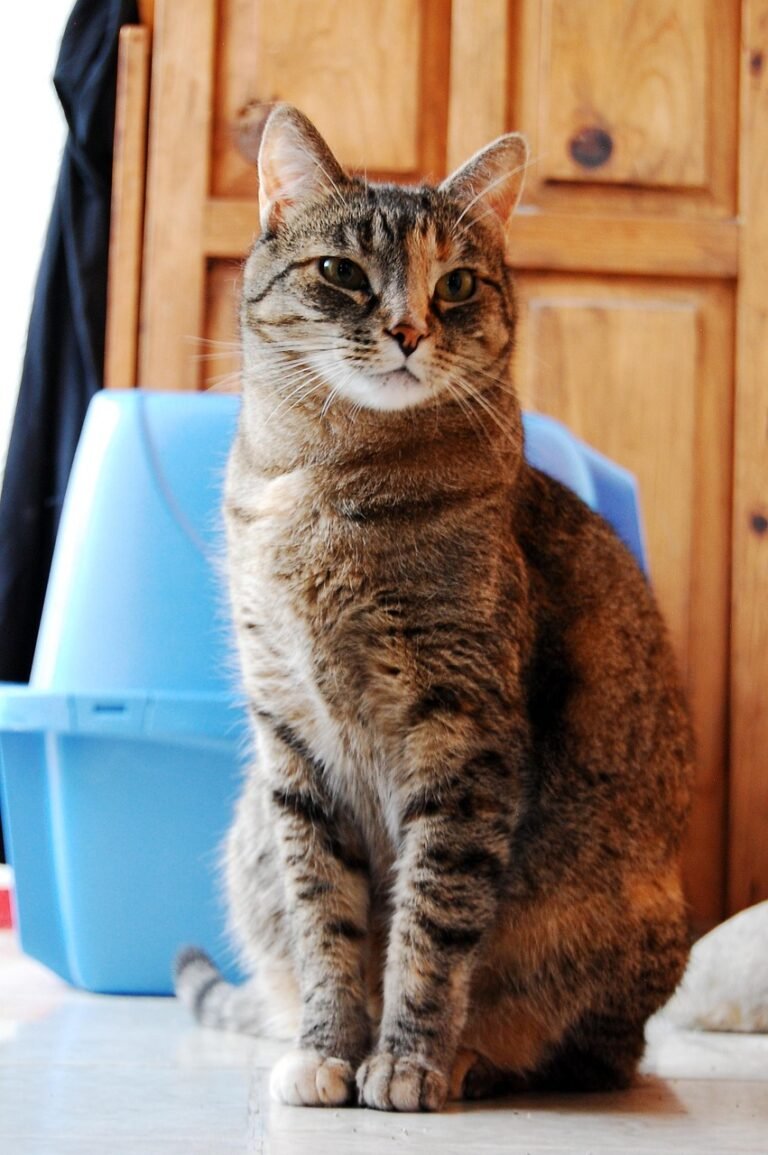
In a 27-cat study, 70% showed no preference between covered and uncovered. A second trial shows why: the variable that mattered was floor area, not the lid.
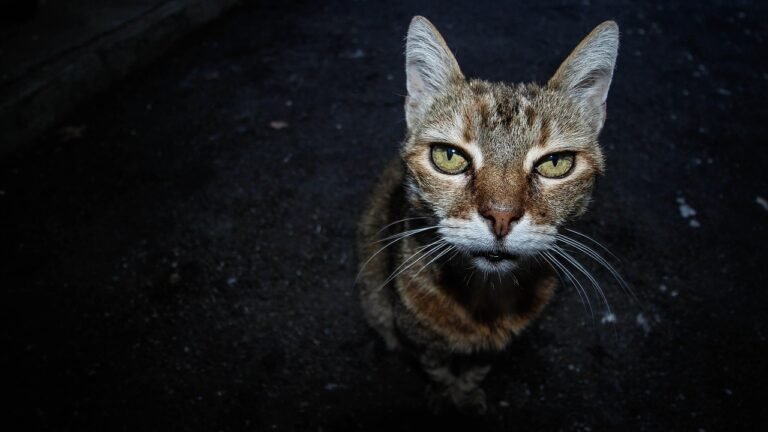
Night yowling in an older cat is a recognised clinical sign, not a quirk. Half of cats over 15 have cognitive dysfunction, but four treatable causes come first.
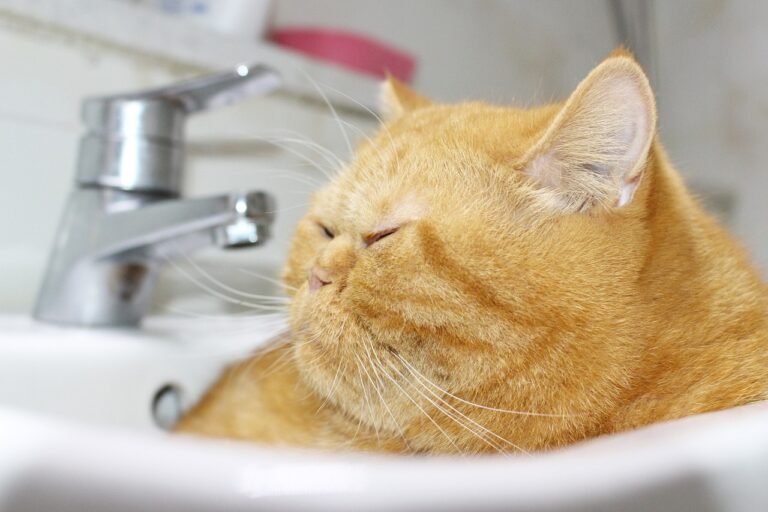
Cats are built to seek heat, so cold enamel is a deliberate choice. What her posture tells you, why a stressed cat looks identical to an ill one, and when it needs a vet.
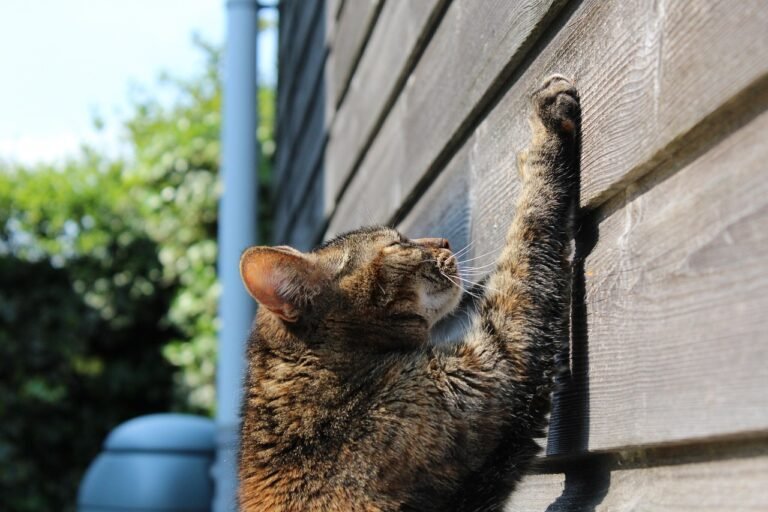
Your cat ignores the £40 scratching post and works the sofa arm every morning. The fix isn’t discipline — it’s matching the four things the sofa already gets right: height, rigidity, texture and location.
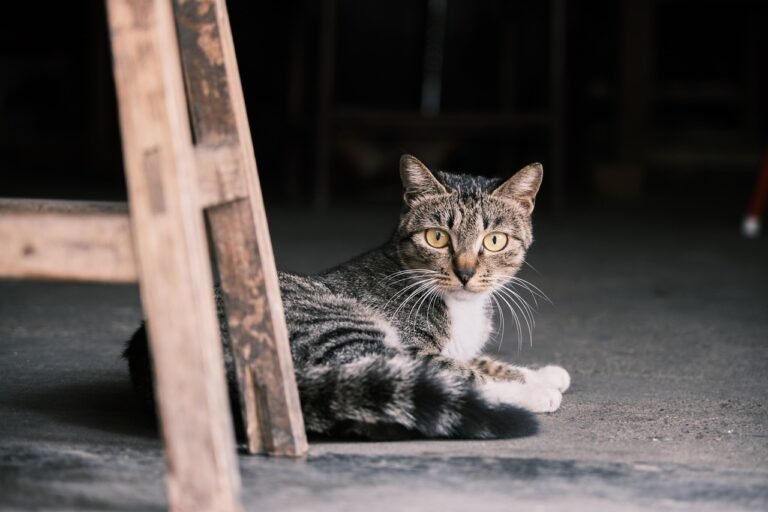
Cats don’t limp, they edit. Reduced jumping is on a validated checklist for feline joint pain — and simply knowing what to look for doubles how often owners catch it.
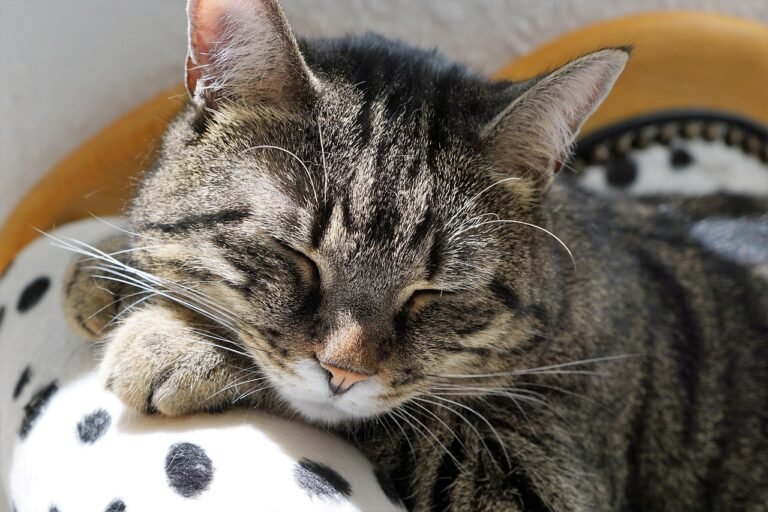
A sleeping cat should breathe 15–30 times a minute. How to count it properly (not while she’s purring), why a rising rate is the earliest warning of feline heart disease, and the signs that mean go now.
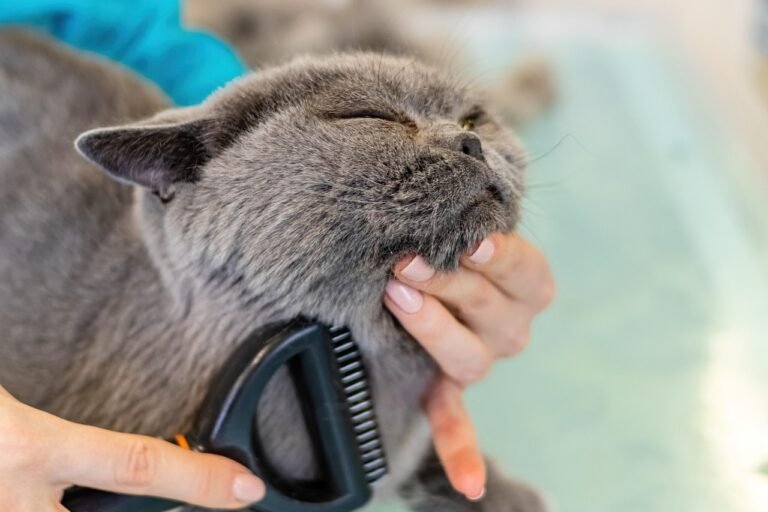
Cornell puts one hairball every week or two in the not-unusual bracket. Beyond that, a hairball is just chronic vomiting with hair in it — and the cause is usually over-grooming or the gut, not the coat.
A cat who goes to the water bowl and then doesn’t drink isn’t usually being fussy. Nausea, kidney disease and mouth pain all leave thirst intact — plus the emergency you can’t wait on.